
Hyperpigmentation Treatment. How to Reduce Pigmentation and Dark Spots on the Face
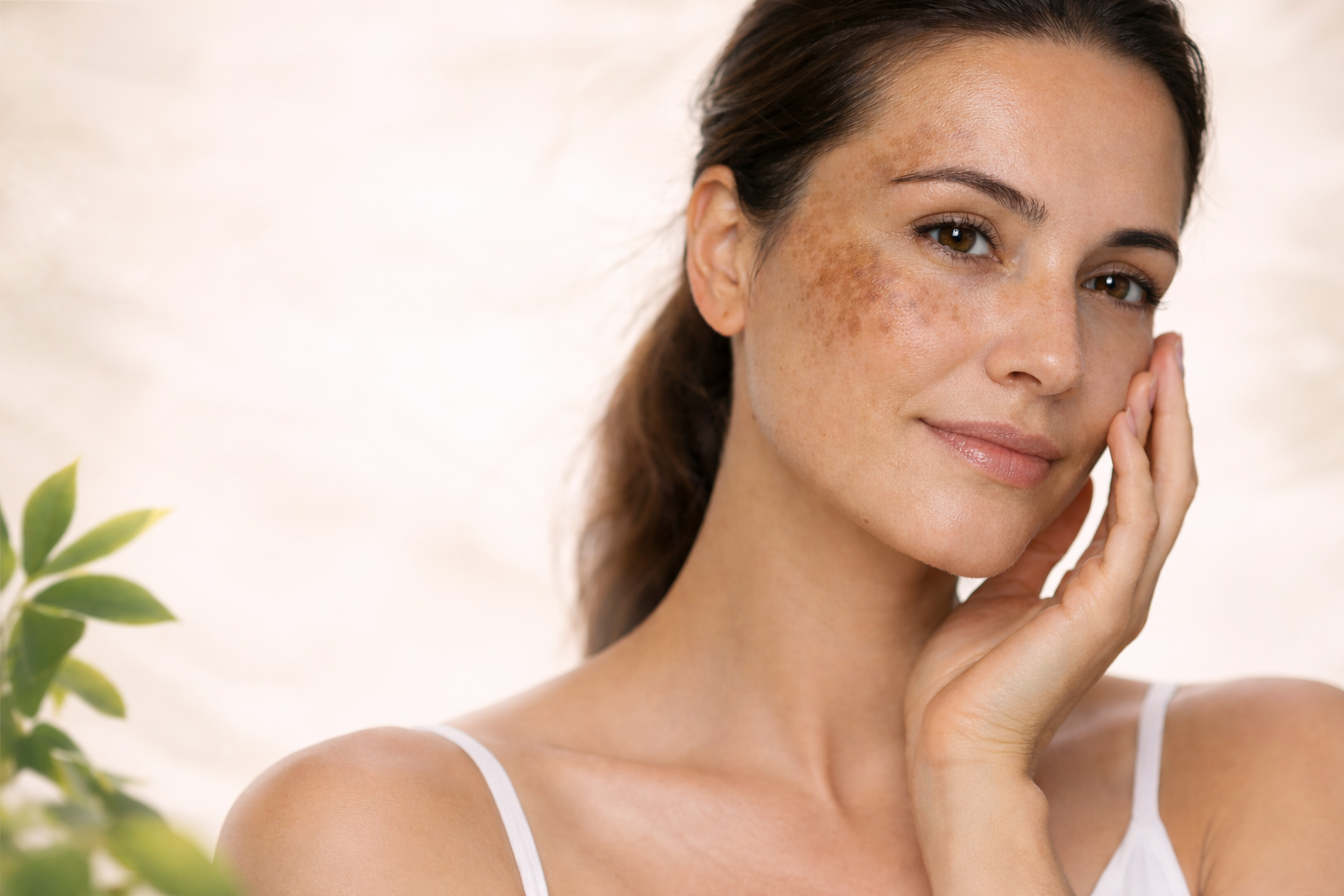
Uneven skin tone is a common concern, and many people notice dark spots on face, brown marks on face, or small black spots on face developing over time. These changes in skin colour are usually linked to hyperpigmentation, a condition that occurs when the skin produces excess melanin.
Pigmentation can appear in different ways. Some people develop little dark spots on face, while others may notice larger brown spots on face or darker areas of skin. In some cases, people even experience brown spots suddenly appearing on skin, which can be surprising and frustrating.
The good news is that there are many ways to improve the appearance of pigmentation. With the right hyperpigmentation treatment, skincare routine, and sun protection, it is possible to reduce dark spots and restore a more even complexion.
What Is Hyperpigmentation?
Hyperpigmentation refers to patches of skin that become darker than the surrounding area. These patches may appear as dark spots, brown spots, or small black dots on face.
This change in skin tone happens when the skin produces too much melanin, the pigment responsible for skin colour. While pigmentation can appear anywhere on the body, it is most noticeable on the face.
Some common forms of pigmentation include:
-
Dark spots on skin caused by sun exposure
-
Black marks on face left behind after acne
-
Brown spots on face related to ageing
-
Uneven or dark areas on face caused by inflammation or irritation
Although hyperpigmentation is harmless, many people seek skin pigmentation treatment to improve their skin tone and reduce visible marks.
Why Do Dark Spots Appear on the Face?
Pigmentation can develop for several reasons. Understanding these causes can help determine the most suitable treatment approach.

Sun Exposure
Sun exposure is one of the most common reasons people develop dark spots on face or brown spots on skin. Ultraviolet rays trigger the production of melanin, which can lead to visible pigmentation over time.
Without proper protection, sun exposure may cause more noticeable dark spots on skin.
Acne and Skin Inflammation
After acne heals, it often leaves behind black marks on face or darker patches on the skin. These marks are known as post-inflammatory hyperpigmentation and can take time to fade.
Hormonal Changes
Hormonal fluctuations can sometimes lead to pigmentation patches, especially on the cheeks or forehead.
Ageing
As the skin ages, years of sun exposure may lead to the development of age spots or brown spots on face.
How to Get Rid of Hyperpigmentation
Many people want to know how to improve uneven skin tone or reduce visible pigmentation. While results take time, the right approach can gradually improve the appearance of the skin.
For individuals wondering how to get rid of hyperpigmentation or how to get rid of hyperpigmentation on face, consistency is essential. Skincare products that support skin renewal and brightness can help fade pigmentation gradually.
Similarly, those searching for ways to get rid of pigmentation on face often benefit from routines that include brightening ingredients and sun protection.
Ways to Reduce Dark Spots on the Skin
Improving pigmentation usually involves a combination of skincare ingredients and protective habits.

Brightening Ingredients
Ingredients such as vitamin C and niacinamide are widely used in skincare because they help improve uneven skin tone and reduce the appearance of dark spots on face.
Gentle Exfoliation
Regular exfoliation helps remove dead skin cells and encourages new skin to form. This process can gradually reduce brown marks on face and improve overall skin clarity.
Skin Repair and Hydration
Hydrating and repairing skincare products support the skin barrier and help maintain a healthier complexion.
These approaches can help people who are looking for ways to reduce dark spots on face or improve uneven pigmentation.
Can Age Spots Be Reduced?
Age spots are another form of pigmentation that often appear as flat brown marks on the skin. Many people look for solutions when these spots become more visible with age.
Those researching how to get rid of age spots or how to get rid of age spots on face naturally may find that consistent skincare and sun protection help reduce their appearance over time.
While natural methods may support skin health, targeted skincare products are often more effective in improving visible pigmentation.
Skincare Products That Help Treat Pigmentation
Targeted skincare products can play an important role in improving uneven skin tone and supporting pigmentation treatment.
Products formulated with brightening ingredients help improve skin clarity and reduce the appearance of dark spots.
You can explore a range of products designed to support pigmentation care here:
Brightening Day Cream

A lightweight moisturiser that helps improve skin brightness and reduce the appearance of dark spots on face while keeping the skin hydrated.
Ultimate Repair Serum

A nourishing serum designed to support skin repair and improve overall skin tone.
Overnight Repair Treatment

A restorative night treatment that supports skin renewal while you sleep.
Resurfacing Serum

A resurfacing treatment powered by glycolic acid and niacinamide to reveal smoother, brighter skin. Manuka and chamomile soothe while supporting barrier health. Ideal for refining skin texture, minimising pores, and balancing oil without over-drying.
Using targeted products consistently can help improve uneven skin tone and gradually fade pigmentation.
How to Prevent Dark Spots and Pigmentation
Prevention is one of the most effective ways to maintain clearer skin and avoid new pigmentation forming.
Helpful habits include:
-
Applying sunscreen every day
-
Avoiding prolonged sun exposure
-
Maintaining a consistent skincare routine
-
Treating acne early to prevent marks
-
Using antioxidant and brightening skincare
These steps can significantly reduce the risk of developing new dark spots on skin or uneven pigmentation.
Final Thoughts
Hyperpigmentation can appear in many forms, including dark spots on face, brown marks on face, black spots on face, or uneven patches of skin tone. These marks often develop due to sun exposure, acne, ageing, or hormonal changes.
Although pigmentation can take time to fade, the right hyperpigmentation treatment combined with consistent skincare can gradually improve the appearance of the skin.
With patience and proper care, it is possible to reduce pigmentation, improve skin clarity, and achieve a more even complexion.