
The Redness Revolution: How to Calm, Soothe, and Strengthen Sensitive Skin
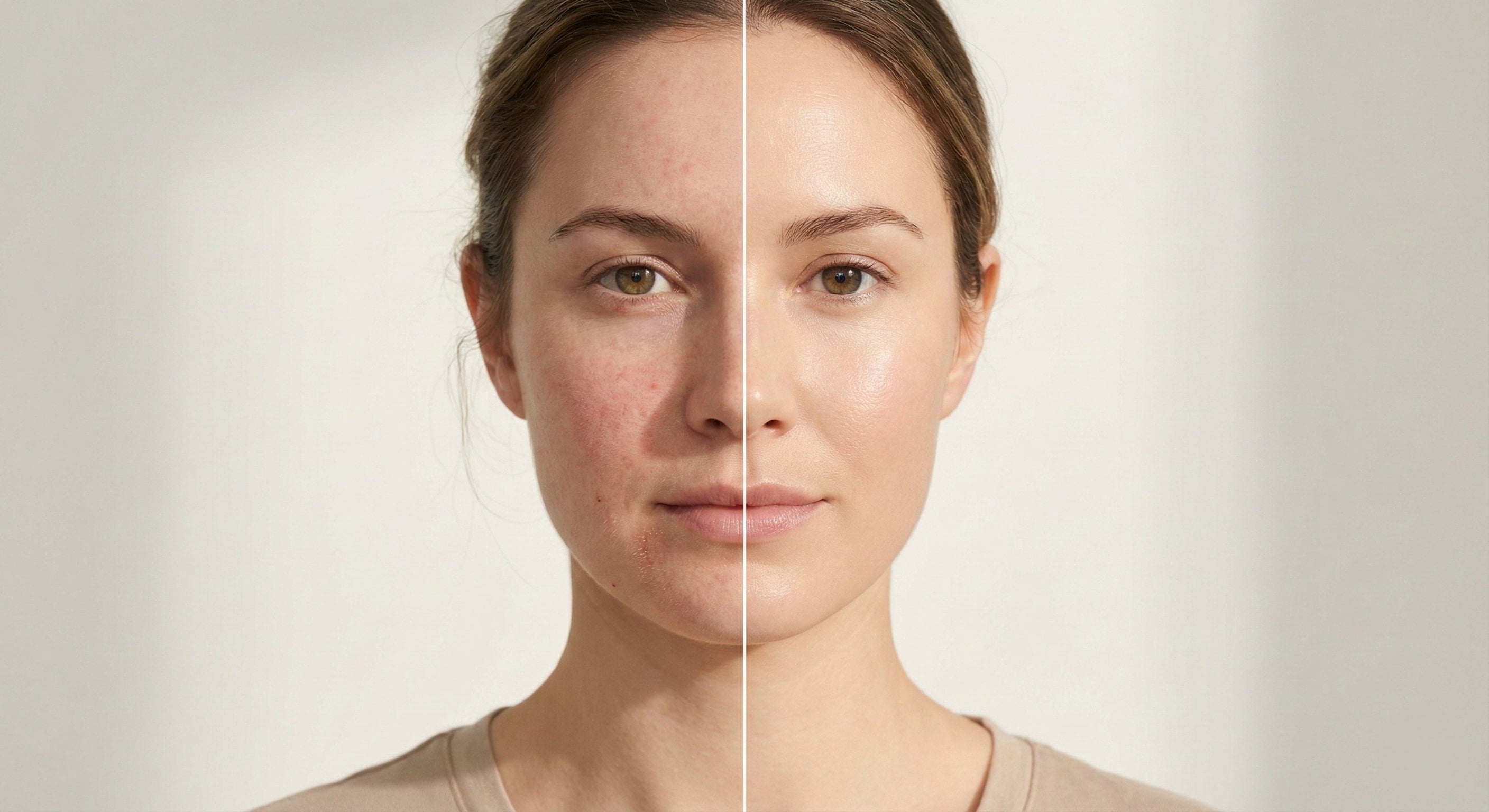
For many of us living in Aotearoa, looking in the mirror to find a perpetually flushed face is a frustratingly common experience. Whether it is the result of a brisk walk on a beach or simply the "four seasons in one day" weather that New Zealand is famous for, facial redness can feel like an uninvited guest that refuses to leave.
But why is our skin so reactive? And more importantly, how can we transition from a complexion that feels "angry" to one that feels calm and resilient? Managing redness isn't just about covering it up with green-tinted primers; it’s about a biological shift in how we treat our skin barrier.
In this guide, we’ll dive deep into the science of sensitivity and explore a routine built around plant-powered Face Care that prioritises healing over harshness.
The "Coastal Shield": Understanding the NZ Skin Struggle
New Zealanders face environmental factors that are unique in the world. Our thin ozone layer means UV levels are exceptionally high, even on overcast days. This constant UV bombardment doesn't just cause sunburn; it creates "oxidative stress." This stress weakens the tiny blood vessels near the surface of your skin, causing them to dilate and stay dilated, resulting in that persistent facial redness.
Furthermore, the salt air and high-velocity winds characteristic of our islands act as a physical irritant. They strip away the "Acid Mantle", the thin, protective film on the skin's surface. When this shield is down, your skin becomes hyper-reactive to everything from wind to your daily moisturiser.
Breaking the Cycle: A Category-Based Approach
When your skin is in a state of high alert, the worst thing you can do is overwhelm it with a complex, 10-step routine. Instead, you should look at your skincare through the lens of specific Targeted Categories designed to de-escalate inflammation.
The Foundation: Cleansers & Masks
 The road to calm skin begins with the "first touch." Many traditional cleansers use sulfates to create a satisfying foam, but for those with red cheeks, these sulfates are like sandpaper.
A Cleansing Milk is the gold standard for sensitive types. By using a milk-based formula, you lift away environmental pollutants and SPF without disrupting the lipid barrier. Once or twice a week, incorporating a Collagen Clay Mask can help. While clay is often thought of as "drying," a well-formulated mask with Manuka extract can actually soothe the skin while gently drawing out the impurities that cause heat and irritation.
The High-Potency Step: Serums & Oils

This is the "medicine cabinet" of your skincare routine. If you want to know how to reduce redness on the face, look no further than your Serums & Oils.
For years, people were told to use Retinol for skin repair, but Retinol is notoriously difficult for sensitive skin to handle. This is where Bakuchiol (a natural retinol alternative) changes the game. It offers the same skin-thickening and anti-aging benefits but with a cooling, non-inflammatory profile. Pairing this with a Recovery Concentrate Oil, rich in natural oils, provides the skin with the fatty acids it needs to "patch" the holes in its barrier.
The Sealant: Moisturisers & Lip Care

Your Moisturiser acts as your skin’s climate control. For those prone to redness, you need a formula that offers more than just hydration; you need "occlusion." Ingredients like Squalene mimic your skin’s natural oils, creating a breathable seal that keeps the NZ elements out and the moisture in.
Don't forget Lip Care. The skin on our lips is some of the thinnest on our body, and irritation here often spreads to the surrounding skin, contributing to a red, inflamed appearance around the mouth. A barrier-heavy lip treatment is essential for a total face-calming strategy.
The "Calm" Ingredients: What to Look For

If you are scanning a label for the best treatment for red cheeks, these four ingredients should be at the top of your list:
-
Niacinamide (Vitamin B3): This is the ultimate "peacekeeper." It stabilises the skin's barrier function and reduces the appearance of redness and blotchiness.
-
Hyaluronic Acid: Redness often stems from "Trans-Epidermal Water Loss." By holding moisture in the skin, Hyaluronic Acid keeps cells plump and prevents the "tight" feeling that leads to cracking and irritation.
-
Sea Buckthorn: Often called a "superfruit" for the skin, it is packed with Omega-7, which is incredibly rare and highly effective at healing damaged tissue.
-
Marine Collagen: This helps provide the structural integrity your skin needs to remain thick and resilient against the wind and sun.
Lifestyle Adjustments: Cooling the Flush
Even the most advanced skincare for redness can only do so much if our lifestyle is constantly "heating" the skin. Here are a few NZ-specific tips for keeping your cool:
-
The 30-Second Rule: After washing your face with lukewarm water, apply your Ultimate Repair Serum within 30 seconds. This traps the moisture on your skin before the air has a chance to evaporate it.
-
The Fridge Hack: Keep your facial serums in the butter compartment of your fridge. The cold temperature acts as a vasoconstrictor, instantly shrinking blood vessels and reducing the heat in your cheeks.
-
Mind the Coffee: While we love our cafe culture, excess caffeine can trigger flushing. Try to balance your flat white with twice as much water to keep your internal hydration levels high.
-
Silk Over Cotton: If your face is red when you wake up, your pillowcase might be the culprit. Switch to a silk or satin case to reduce the friction that irritates sensitive skin overnight.
Summary: A Routine for Resilience
To see real results, you must move away from "treating" symptoms and start "strengthening" the organ. A New Zealand-made routine that leverages local botanicals is often the most compatible with our local environment.
|
Routine Step |
Recommended Focus |
Why It Works |
|
Cleanse |
Cleansing Milk |
Protects the "Acid Mantle." |
|
Treat |
Redness Treatment Serum |
Calms dilated capillaries. |
|
Strengthen |
Bakuchiol / Niacinamide |
Rebuilds the skin's "bricks." |
|
Protect |
Squalene Moisturiser |
Creates a shield against the NZ wind. |
Conclusion: Soothe, Strengthen, and Smile
Facial redness is not a life sentence. It is simply a sign that your skin is feeling vulnerable. By choosing natural, plant-powered products and focusing on the categories that support barrier repair, you can move away from the frustration of a flushed face.
At the end of the day, the goal of Nude Kiwi is to help you feel confident in your own skin, minus the irritation. By treating your skin with the gentleness it deserves, you’re not just reducing redness; you’re building a stronger, healthier version of yourself.
Ready to find your calm?
Shop our targeted Redness Care Category and discover the best treatment for red cheeks today.
FAQ
What causes redness on the face?
It is typically caused by a combination of a weakened skin barrier, high UV exposure, and lifestyle triggers like stress or diet that cause blood vessels to dilate.
How can I calm red cheeks quickly?
Use cold-pressed botanical oils or serums stored in the fridge. Avoid hot water and physical exfoliants, which only increase blood flow to the surface.
What is the best skincare routine for redness?
A minimalistic approach: A creamy milk cleanser, a Niacinamide-rich serum, and a barrier-strengthening moisturiser and SPF.
Can natural products help with redness?
Yes. Ingredients like Flaxseed, Manuka, and Sea Buckthorn are naturally anti-inflammatory and often more compatible with sensitive skin than synthetic alternatives.